
What Is an iGaming Payment Gateway and How Does It Work?
The iGaming industry moves billions in player deposits and withdrawals every year. The infrastructure behind those transactions, the payment gateway, determines whether that money moves cleanly or creates problems on both ends.
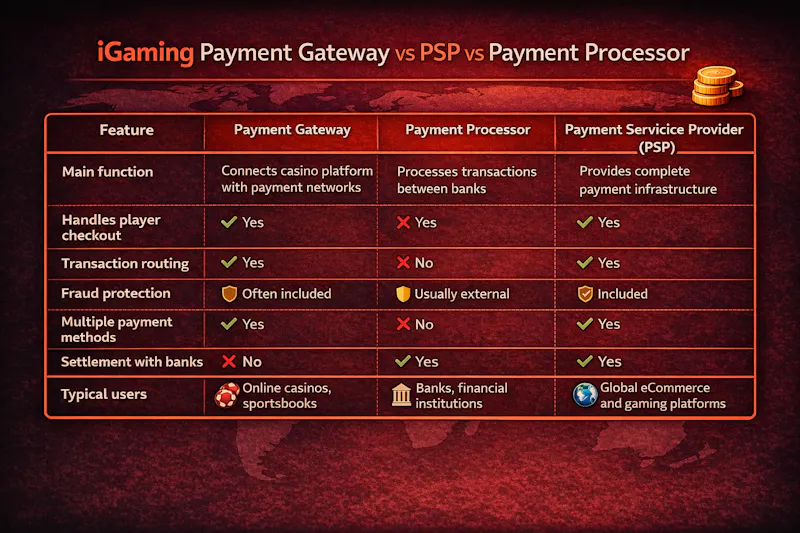
A payment gateway in iGaming connects the platform to banks, payment processors, and financial networks to authorize and route transactions. It handles regulatory compliance, fraud protection, and chargeback management. When it works, players don't think about it. When it doesn't, they find a platform where it does.
Payment failures cost operators up to 20% of potential revenue. Slow withdrawals don't just frustrate; they push players toward competitors, not because the product is worse, but because waiting for money is an accumulating problem.
GG Bnk is built around exactly this infrastructure — high-volume transaction management, global payment method coverage, and withdrawal speeds that don't become a reason players reconsider where they play.
What Is an iGaming Payment Gateway?
An iGaming payment gateway connects casinos, sportsbooks, and betting platforms to banks, payment processors, and financial networks. It authorizes transactions, routes them correctly, and keeps everything compliant.
From a standard eCommerce gateway, it has to handle simultaneously: high-risk transaction volumes; multiple currencies and local payment methods across different markets; AML and KYC compliance; and fraud and chargeback exposure — all without slowing down the player experience.
A general payments product isn't built for that combination. An iGaming-specific one is.
Why Payments Are Critical in iGaming
Payment performance directly impacts player conversion, trust, and revenue.
Payment Failures and Revenue Loss
- 62% of players leave a platform after a failed payment
- 10–15% of global card payments fail, especially for gambling transactions
- 18% of deposits are abandoned due to checkout friction
Even small improvements in deposit success rates can directly increase revenue.
How Payment Friction Affects Player Retention
- 23% of players never return after deposit issues
- 67% abandon platforms if their preferred local payment method is unavailable
Smooth, reliable payments are essential for player loyalty.
How an iGaming Payment Gateway Works
Step 1: Player Initiates a Deposit
Players select their preferred payment method:
- Debit/credit cards (Visa, Mastercard)
- Bank transfers / instant bank payments
- Digital wallets
- Local payment systems
- Cryptocurrencies (in some markets)
Step 2: Payment Data Encryption
Sensitive data is encrypted and tokenized to meet PCI DSS security standards.
Step 3: Smart Routing to a Payment Processor
Advanced gateways dynamically route payments to the most reliable processor, optimizing:
- Approval rates
- Transaction speed
- Regional success rates
Smart routing can increase success rates from 92.5% to 98.5%.
Step 4: Bank Authorization
The issuing bank checks:
- Funds availability
- Fraud risk
- Transaction limits
- Regulatory requirements
If approved, funds are reserved and the deposit is confirmed.
Step 5: Funds Credited to Player Account
The player’s balance updates instantly, allowing gameplay to begin immediately. Fast deposits improve retention and satisfaction.
Key Features of a Modern iGaming Payment Gateway
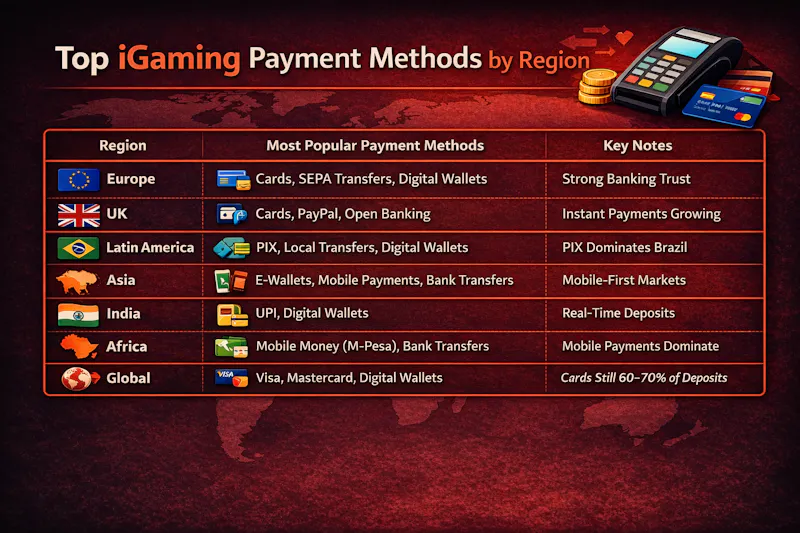
Multi-Payment Method Support
- Cards, wallets, bank transfers, instant payments, cryptocurrencies
- Local payment support can increase conversion rates by 30–45%
Smart Payment Routing
- Reduces declines
- Recovers failed transactions
- Optimizes success per region
Fraud Prevention & Compliance
- AI fraud detection
- Chargeback management
- AML and KYC verification
Fraud and compliance costs can consume up to 9% of revenue in iGaming.
Regulatory Compliance
- Supports AML, KYC, and responsible gambling requirements
- Operates across multiple jurisdictions safely
How to Choose an iGaming Payment Gateway
- Payment Success Rate – Higher approval rates = more revenue
- Local Payment Coverage – Players prefer familiar methods
- Speed of Deposits and Withdrawals – Critical for retention
- Fraud Prevention and Compliance – Reduces risk and costs
- Payment Orchestration Capabilities – Connects multiple PSPs and processors
GG Bnk handles real-time transaction processing and supports payment methods across global markets, so operators spend less time managing payment failures and more time on the business at hand.
Payment Challenges in iGaming
- High Decline Rates: 10–15% of payments fail globally
- Localization Issues: Players abandon platforms without local methods
- Trust and Speed: 78% of bettors consider payment experience when choosing a platform
Future Trends in iGaming Payments
- Real-Time Payments – Instant deposits and withdrawals
- AI Payment Optimization – Predicts failures, optimizes routing
- Open Banking – Faster, lower-fee transactions
- Embedded Finance – Player wallets and integrated banking infrastructure
How iGaming Payment Gateways Improve Conversion Rates
- Fewer failed transactions
- Payment methods that players in each market actually use
- Deposits that clear immediately, withdrawals that don't make players wait
- And a payment experience that doesn't give them a reason to look elsewhere
Conclusion
Payment infrastructure decides more than most operators budget for.
Deposit approval rates, fraud exposure, withdrawal speed, local payment method coverage — these show up directly in conversion numbers and in how long players stick around. An operator running a weak gateway isn't just losing transactions. They're losing the players those transactions belong to.
The difference between a gateway that works and one that doesn't comes down to four things in practice: approval rates on deposits, support for the payment methods players in each market actually use, fraud and chargeback control that doesn't require manual intervention, and withdrawals that clear fast enough that players don't notice them.
GG Bnk is built around those four. iGaming companies use it to handle high-volume transactions across global markets without the compliance and fraud overhead eating into margins.
In iGaming, payment friction isn't a UX problem — it's a revenue problem. Every dropped transaction is money that doesn't come back.